

Most of the system responsible for moving water through a swimming pool is hidden from view once construction is complete. Pipes sit underground, while equipment is usually positioned away from the main swimming area. Even the return fittings blend into the finished pool.
Experienced pool contractors in Denham Springs have to account for that network early in the project. The shape of the pool affects that planning, along with plumbing routes, equipment placement, and any added features.
A clear plumbing plan gives every component a place in the design before much of the system becomes difficult to access. Keep reading to learn how water moves through a pool and why steady circulation matters after construction.
How does pool plumbing work?
Pool plumbing creates a continuous route that carries water from the pool through the equipment and back again.
The exact arrangement varies by project, but the basic circulation cycle includes several stages:
- Water enters the system. Skimmers and other suction points draw water into the plumbing.
- The pump creates flow. That movement carries water through the equipment.
- The filter processes the water. Suspended material can be captured as water passes through.
- Return fittings send water back. Their location helps distribute filtered water throughout the pool.
Each component has to work with the dimensions and design of the finished pool.
The visible design affects what goes underground
Steps, ledges, attached spas, raised elements, and water features can introduce additional plumbing requirements. Their locations need to be worked out while the supporting lines and equipment are still being planned.
Reviewing the full design in 3D gives homeowners a clearer picture of those visible features before construction begins. It also gives the project team a clear layout to follow when planning components that will eventually disappear beneath finished surfaces.
Custom features need early coordination
An attached spa or water feature may require additional lines, fittings, valves, or equipment. Those requirements are much easier to account for while the design is still flexible. Early coordination also helps the construction team understand how each feature connects to the main system before underground work progresses.
Equipment needs a practical location
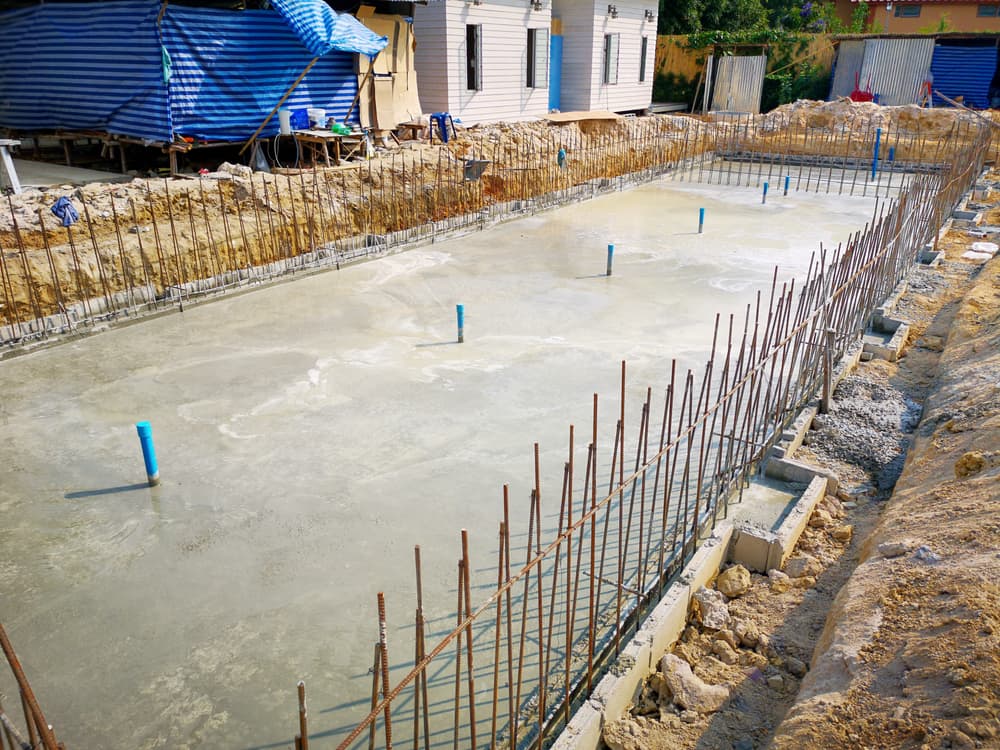
The equipment area takes up physical space on the property and needs enough room for the components included in the design. Future service access also has to remain practical after construction is complete.
At the same time, homeowners may be deciding how much pool decking is needed, so usable space and technical requirements should be considered together. A sensible equipment location keeps it part of the overall backyard plan while preserving the access needed for future service.
The rest of the property still matters
The plumbing plan also has to fit around grading, hardscape, landscaping, and other existing site conditions.
Understanding the correlation between backyard drainage and pool design keeps those site conditions in view while pipe routes and equipment locations are being established. Drainage manages surface water. Circulation handles the water inside the pool, and both need to be planned within the available space.
Why is proper water circulation important in a swimming pool?
Proper circulation moves water through the filtration equipment before returning it to the swimming area. That repeated flow allows the filter to process pool water continuously and helps distribute treated water throughout the swimming area. Pump specifications, pipe layout, return placement, and equipment selection all affect that movement.
Water needs to reach the filter
A filter can only process the water that passes through it. The pump creates the flow needed to move water from suction points through the equipment and back into the pool. Those parts need to work together as one system. Changes to the plumbing route or equipment selection can influence how that system performs and how it should be laid out.
Return placement influences circulation
Filtered water reenters the pool through return fittings. Their location and direction affect how that water moves through the swimming area.
The physical shape of the pool matters here. Steps, corners, ledges, and other custom elements change how water can move through the space, so fitting locations should be considered alongside the actual design.
Pool geometry matters
A simple shape presents different circulation considerations from a design with attached features or several changes in depth and elevation. Professional planning helps account for those differences before the system becomes harder to access and adjust.
Water chemistry still needs regular attention
Water chemistry requires regular monitoring alongside circulation and filtration. Routine chlorine and pH testing helps maintain appropriate disinfectant levels and water conditions in residential pools. Circulation and filtration keep water moving through the equipment, while testing and treatment address conditions the filter cannot manage on its own.
Added features bring added requirements
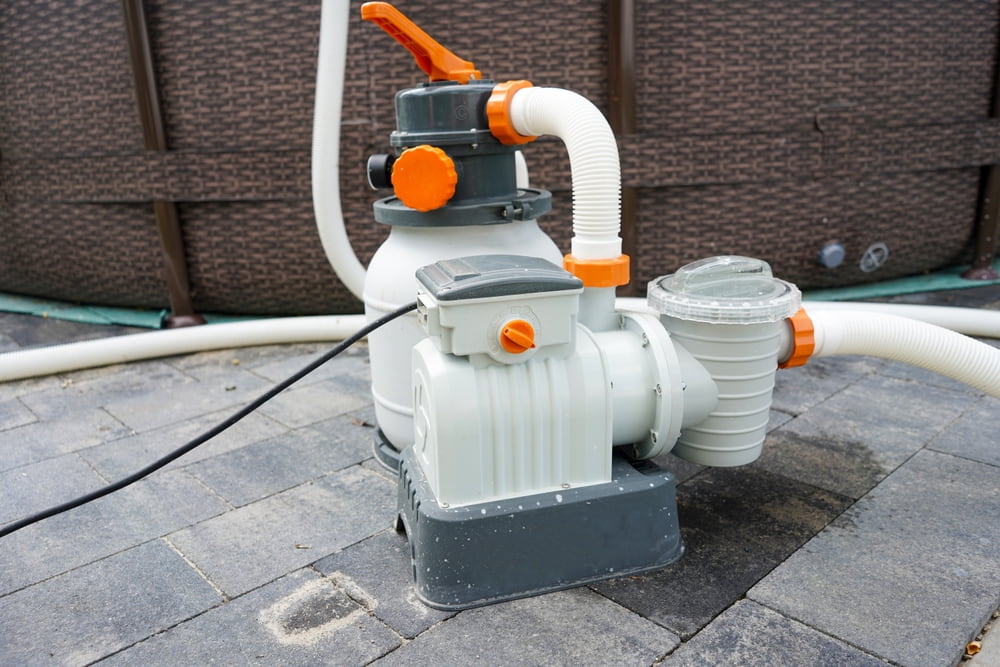
An attached spa or water feature can change what is required behind the scenes. Working through those requirements during design gives each component a defined place before underground work begins.
It also allows added features to be coordinated with the main circulation system from the beginning. Once the shell and surrounding construction are complete, many of these components become much harder to reach.
Where can I find reliable pool contractors in Denham Springs, LA?
The systems behind a pool deserve the same level of planning as the features homeowners see every day. Relief Pool Builders of Baton Rouge develops custom designs and detailed 3D renderings before moving into construction, so both the visible design and the systems behind it are worked through before the build begins.
From properties closer to the Amite River to homes elsewhere in the area, every backyard brings its own dimensions and possibilities. Tell us how you expect to use the pool and which features you are considering so we can account for those needs early in the design process. Ready to turn your ideas into a complete design? Schedule a consultation with our team to explore what will work for your property.